Vinyl Memory Release
Turns a photograph or memory into a coherent fictional vinyl release shown as four distinct physical pieces.

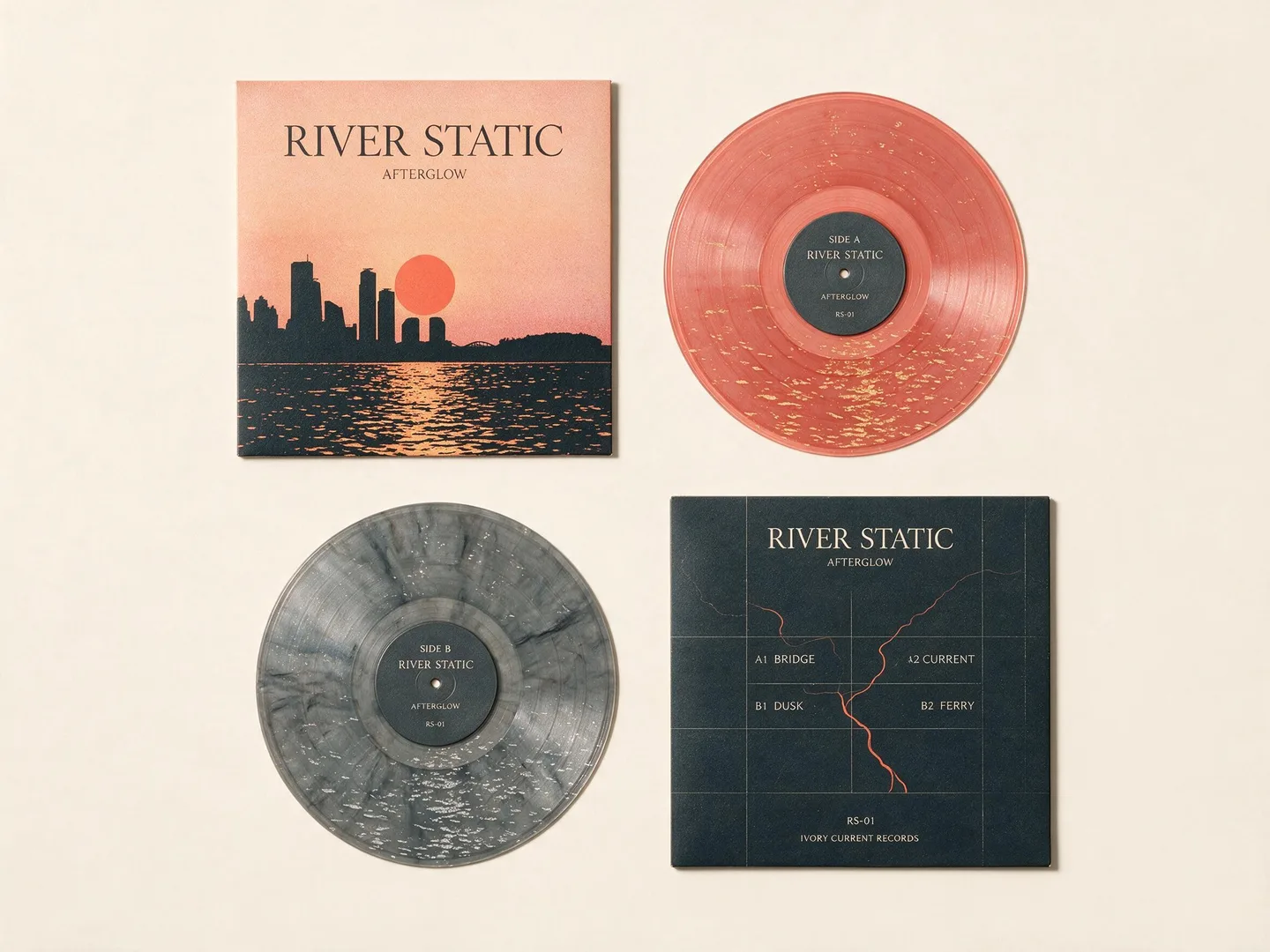
Turns a photograph or memory into a coherent fictional vinyl release shown as four distinct physical pieces.
Photo to album cover
Vinyl Memory Release turns an existing photograph into cover artwork by concentrating the subject, shaping a square-friendly composition, and adding nostalgic print, sleeve, and record-era cues. The source remains the emotional center; the treatment changes how that memory is framed and presented.
Portraits, travel scenes, cars, interiors, and night photographs work best when one subject can carry the cover at small size. The generated artwork may include abstract label-like marks, but exact artist names, release titles, catalog numbers, and legal credits should be typeset after generation. This separation keeps the image expressive and the final information dependable.
A face, landmark, vehicle, or object that reads immediately gives the square layout a clear focal point.
Blue hour, window light, flash, warm interiors, and controlled shadows can become part of the release mood.
Sources with calm sky, wall, floor, or shadow areas leave useful space for a title added later.
Choose the frame that still communicates a mood when viewed as a tiny streaming thumbnail.
Confirm the subject survives the crop and any circular, sleeve-like, or printed elements support it.
Add exact release text, test at thumbnail size, and export to the pixel dimensions required by the destination platform.
Generated lettering is not reliable for exact wording. Create the artwork first, then add the final title and artist name in a layout tool.
You can use artwork you have rights to, but each distributor has its own dimensions and content rules. Check those requirements and your source-image rights before delivery.
No. A landscape or portrait source can work, but keep the important subject near the center so a square composition can be built safely.