Screenprint-inspired photo guide
Turn a still-life photo into screenprint-inspired poster art
Screenprint language becomes readable through broad shapes, hard edges, limited color, and ink-like variation. A generated image can imitate those visual cues, but it does not perform the physical stencil, screen, squeegee, ink, registration, and paper process that defines an actual screenprint.
The short answer
Choose a still life with a small number of distinct objects, apply Tactile Ink Poster, and compare object count, silhouettes, left-right order, overlaps, labels, and contact edges with the source. Treat the output as screenprint-inspired raster artwork. It does not include physical ink, color separations, editable vector shapes, bleed, or a printer-approved production file.
What remains visible in the reviewed radio and cactus pair
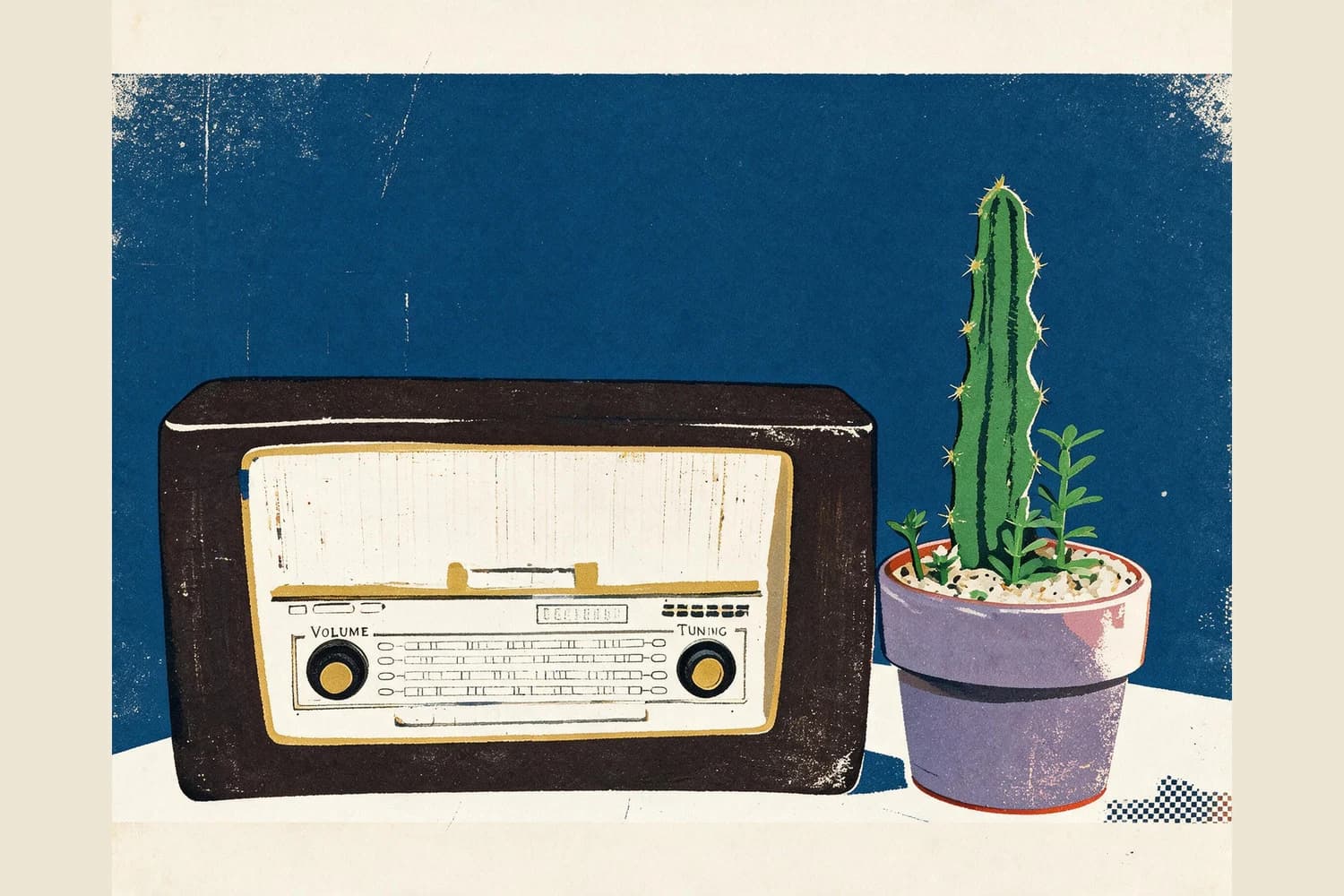
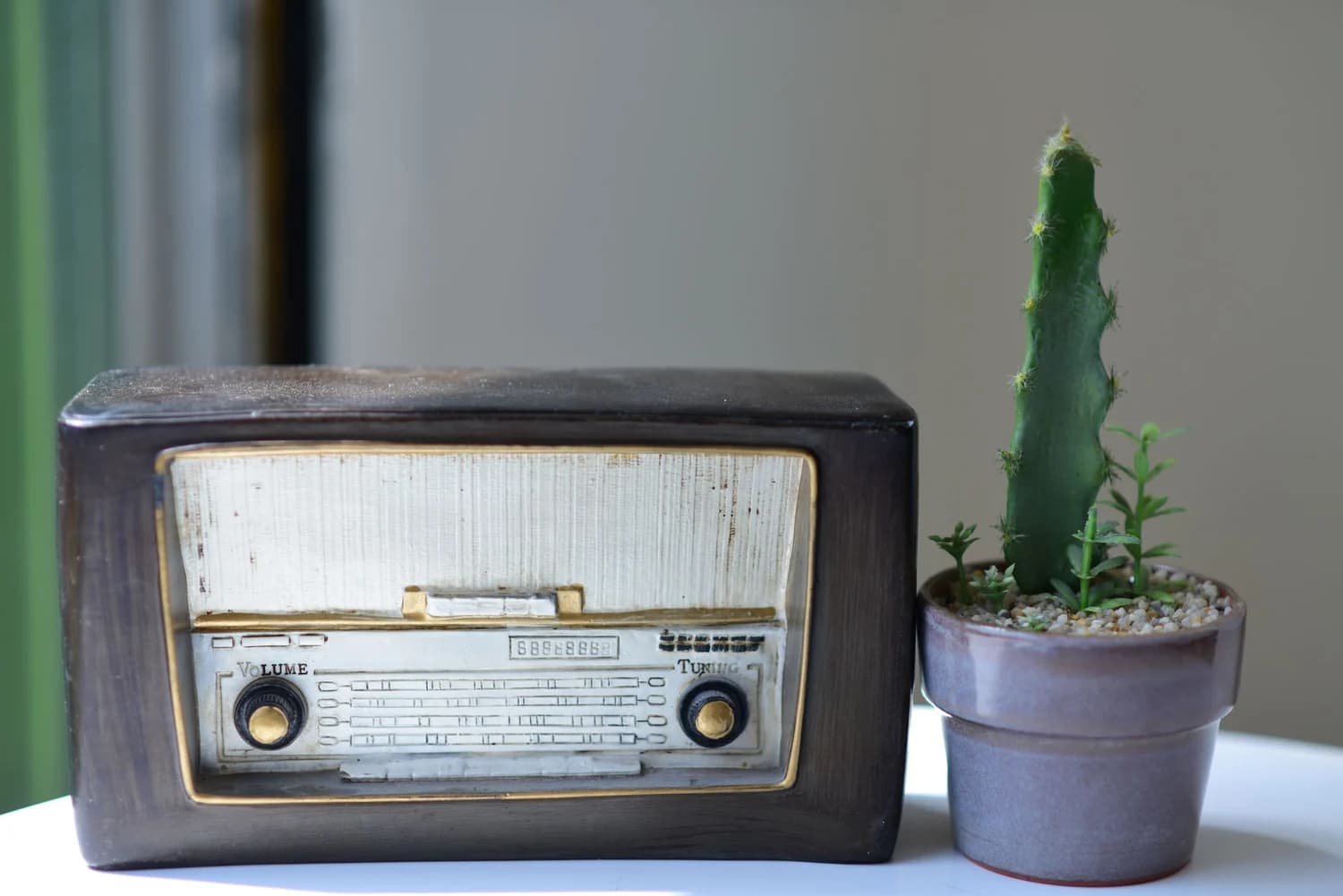
The Pexels source places a dark rectangular vintage radio on the left and a tall cactus in a purple pot on the right. The radio has a pale front panel, two circular knobs, a long lower slot, horizontal tuning lines, and the words VOLUME and TUNING. The Imagild result keeps two main objects in the same order, along with the radio silhouette, pale panel, paired knobs, cactus height, pot shape, and tabletop. Photographic lighting becomes broad cream, navy, green, brown, and purple fields with hard edges, speckled ink texture, scraped marks, and a small checker fragment. The source labels remain readable in the result, so they must be reviewed instead of assumed to have been removed.
A three-step poster workflow
- 01
Pick a still life with a clear object hierarchy
Use a photo with one dominant object and one or two supporting forms. Record subject count, left-right order, overlap, outline, distinctive openings, controls, and readable text before generating. In the reviewed source, the radio is the widest mass and the cactus is the tallest. Their separation makes it possible to judge whether the generated poster still represents the same arrangement. A crowded shelf or table would make object omissions and invented merges harder to detect.
- 02
Run the Skill and compare shapes before texture
Open Tactile Ink Poster and use a photograph you are allowed to transform. Review the large structural relationships first: two objects, radio on the left, cactus on the right, two knobs, pot rim, and tabletop contact. Only then assess flat color, dry grain, offset-looking edges, scratches, and checker marks. Texture can make a result feel printed while also hiding incorrect geometry, so it should never replace a direct source comparison.
- 03
Prepare a separate production pass if you will print
The generated result is one raster image. Set final dimensions, resolution, bleed, crop marks, color mode, paper choice, and printer requirements in a layout application. Recreate any required words as controlled typography and confirm whether source labels or branding may be used. If a real screenprint is planned, a printmaker still needs to decide ink colors, create a separation for each pass, expose or cut stencils, register the screens, proof the image, and account for paper and ink behavior.
Three distinctions that prevent production mistakes
- Separate visual style from printing method
- MoMA defines screenprint as a stencil-based process in which ink is pushed through unblocked areas of a screen onto paper. This Imagild result uses pixels to simulate flat ink and irregular surface marks. Calling it screenprint-inspired describes the look accurately. Calling the delivered raster file a physical screenprint would misstate how it was made and what files or materials the user receives.
- Audit every surviving or generated word
- The result preserves VOLUME and TUNING from the source radio, even though decorative simplification could have removed or distorted them. Check spelling, relevance, ownership, and legibility for every line. Replace required event, product, or campaign copy after generation. Do not rely on texture to conceal incorrect lettering, and do not infer a brand, model, date, or technical specification from shapes that only resemble a vintage radio panel.
- Judge recognition at both thumbnail and print size
- At thumbnail size, the radio rectangle, twin knobs, and cactus should remain readable. At larger size, inspect rough edges, accidental gaps, plant spines, pot boundaries, and repeated texture. The reviewed pair demonstrates one successful object relationship, not a fixed behavior for other photos. A result that works as a small social image may still reveal unwanted marks or insufficient resolution when enlarged for a poster.
Official sources checked
Questions about photo-to-screenprint artwork
Is the Imagild result a physical screenprint?
No. It is a generated raster image that uses flat color, hard edges, grain, and offset-looking marks associated with screenprint aesthetics. A physical print still requires screens or stencils, ink passes, registration, paper, proofing, and production choices.
Does the file include separated ink colors or editable vector paths?
No. The delivered artwork is not a spot-color separation, layered press file, SVG, EPS, or editable vector illustration. Build those production assets separately if a printer or fabricator requires them.
What should I verify in a still-life transformation?
Compare object count, silhouette, order, overlap, important openings, controls, labels, tabletop contact, and crop. Then inspect generated texture for accidental marks that change the object or reduce legibility.